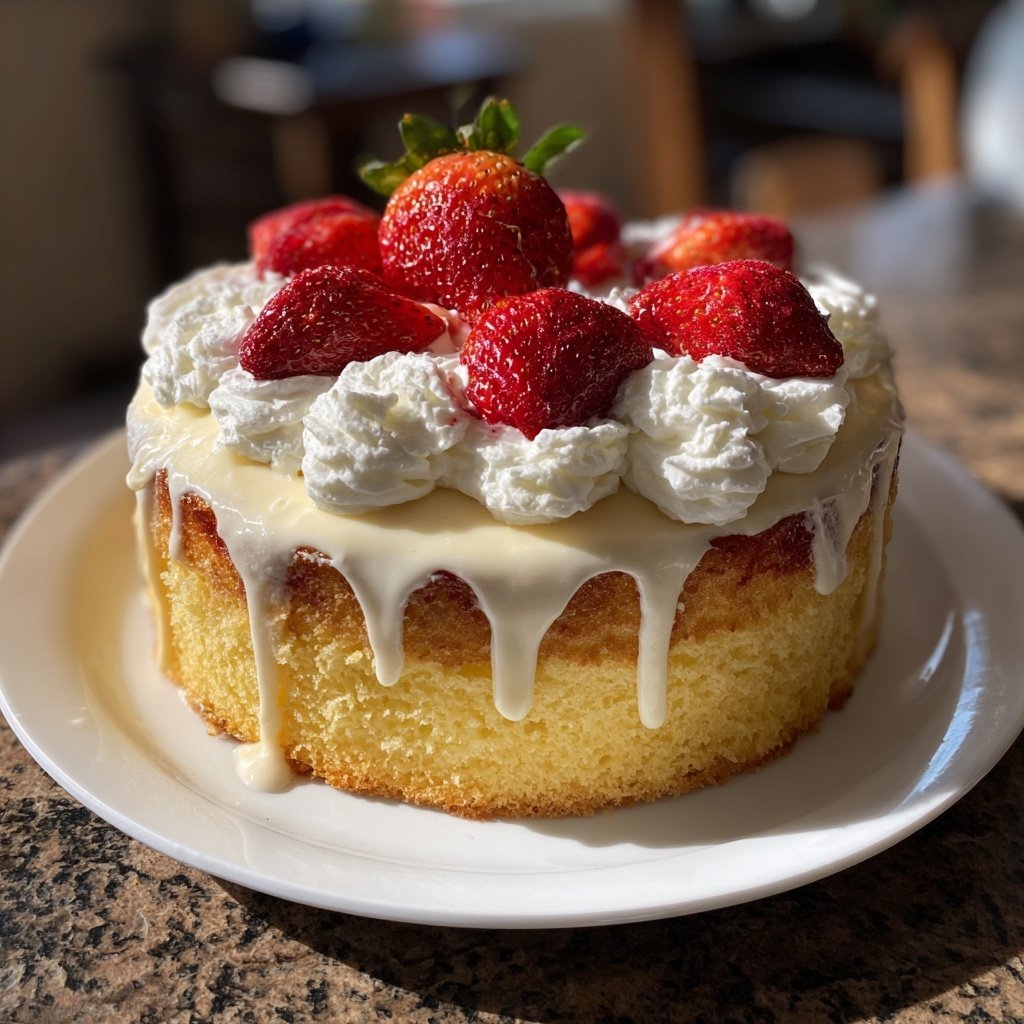
Dessert Vanilla Sponge Cake
Dessert Vanilla Sponge Cake
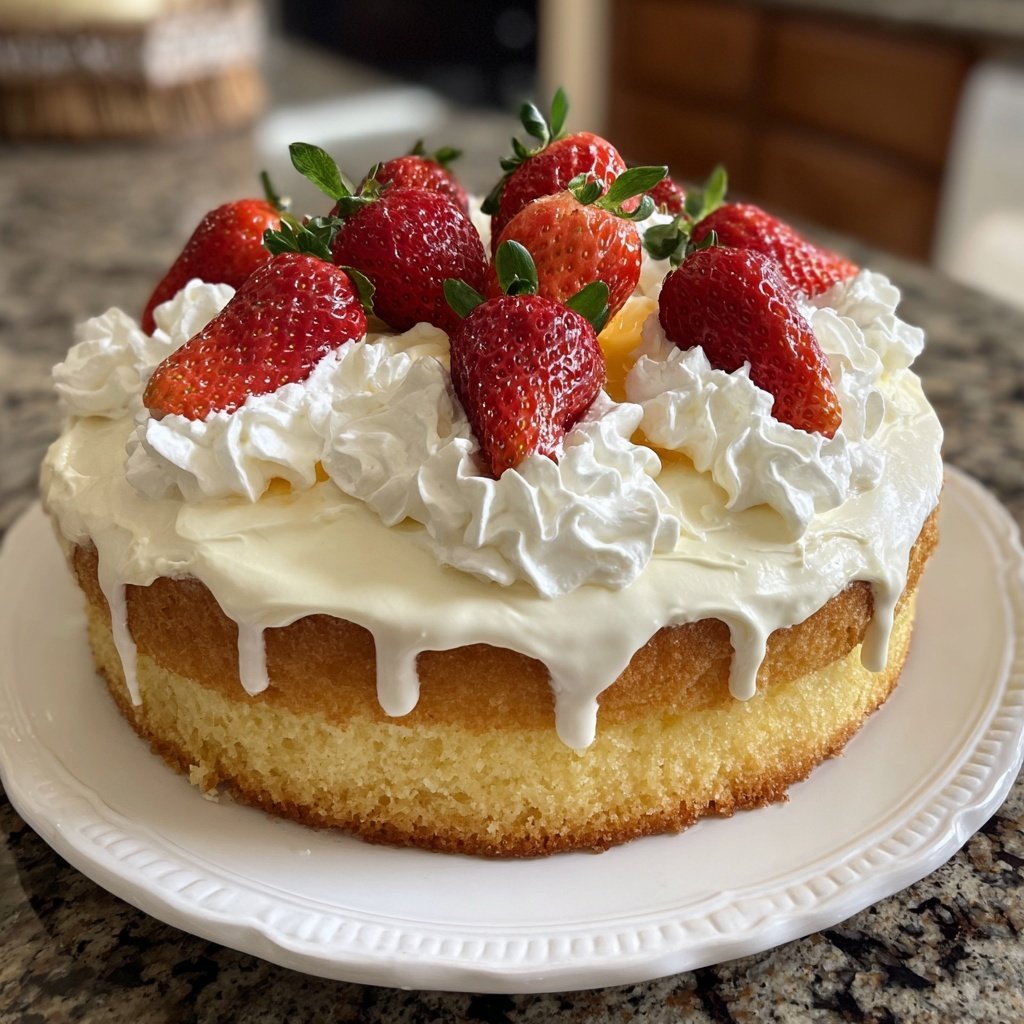
Mastering the Vanilla Sponge Cake
Creating the perfect vanilla sponge cake relies heavily on the technique of properly creaming the butter and sugar. When mixed together, they should become light and fluffy, which typically takes about 5 to 7 minutes with an electric mixer on medium speed. This aeration is crucial for a light cake texture. Don't rush this step; it is the foundation of a well-risen sponge cake.
Another key aspect is the incorporation of eggs. For best results, add them one at a time, ensuring each is fully combined before adding the next. This gradual addition helps emulsify the mixture, creating a smoother batter that traps more air, leading to a fluffier cake. If your eggs are cold, let them sit at room temperature for about 30 minutes to ensure they blend seamlessly into the batter.
Temperature control is also vital. Bake your sponge cake in a preheated oven at 350°F (175°C) and position the rack in the center for even heat distribution. Watch for a golden top and gently springy texture; the cake is done when a toothpick inserted in the center comes out clean. Avoid opening the oven door during the first 20 minutes to prevent collapsing.
Key Ingredients and Their Roles
Each ingredient in your vanilla sponge cake plays a specific role. The flour provides structure, while sugar not only sweetens but also aids in the aeration process when creamed with fat. Using cake flour instead of all-purpose flour can help achieve a lighter, more tender crumb due to its lower protein content. If you need a gluten-free alternative, a blend of almond flour and cornstarch can be effective, but the texture may vary slightly.
Don't underestimate the power of quality vanilla extract—it significantly enhances the cake's flavor. For an intense vanilla experience, consider using the seeds from a split vanilla bean or a high-quality vanillin extract. If you're looking to add a twist, infusing the batter with citrus zest or almond extract can provide an exciting variation on the classic vanilla flavor.
Lastly, ensure your leavening agents, like baking powder, are fresh. A quick test is to mix a teaspoon of baking powder with water; if it bubbles vigorously, it’s still good. Older agents can lead to a dense cake, meaning it won't rise properly, which can leave your sponge heavy rather than light and airy.
Serving and Decor Ideas
Once your vanilla sponge cake has cooled completely, it can be layered with a variety of fillings like whipped cream, fruit preserves, or a rich chocolate ganache. For a showstopper dessert, consider layering it with fresh berries and a light mascarpone cheese whipped cream. A sprinkle of powdered sugar or a drizzle of chocolate glaze adds a beautiful touch without overwhelming the delicate flavor of the sponge.
For a more festive touch, you can frost the cake with buttercream or cream cheese frosting. If you're trying to make it a bit more theme-oriented, color your frosting according to the occasion. A chocolate ganache over a white sponge cake makes a stunning contrast, especially when served at celebrations. Additionally, add edible flowers or sprinkles for a pop of color.
If serving at a gathering, slice the cake into equal portions and arrange it on a decorative platter. Serve each slice with a side of seasonal fruit or ice cream to elevate the dessert experience. A dollop of whipped cream on top just before presenting can also make your cake visually stunning and inviting.
Storage and Make-Ahead Tips
This vanilla sponge cake can be made ahead of time, making it ideal for gatherings. Once baked and cooled, wrap it in plastic wrap and store it at room temperature for up to three days. If you need to store it longer, you can refrigerate it for up to a week or freeze it for about three months. To freeze, slice the cake and wrap each piece individually in plastic wrap, then place them in a freezer bag for added protection.
When you're ready to serve a frozen cake, transfer it to the refrigerator for several hours to thaw. Avoid microwaving as this can make the cake dry. For those baking in advance, consider assembling the cake shortly before serving to keep it fresh. Just whip some cream and slice fresh fruit as toppings when you’re ready to enjoy.
Reviving a day-old sponge cake is easy; just brush a light syrup made from equal parts sugar and water over the cake layers to restore moisture. This can also add an additional layer of flavor if you infuse the syrup with extracts or citrus. It’s a little trick I love for keeping my cakes irresistibly moist.