Wild Rice and Vegetable Pilaf
Highlighted under: Power Bowls
I absolutely love making Wild Rice and Vegetable Pilaf for its delightful mix of textures and flavors. The nutty taste of the wild rice combined with the freshness of seasonal vegetables creates a dish that's not only healthy but also incredibly satisfying. I often whip this up as a side for family dinners or even as a light main course. It’s versatile enough to pair with almost anything and it’s a great way to showcase vibrant vegetables. Plus, it makes my kitchen smell amazing!
When I first made Wild Rice and Vegetable Pilaf, I was amazed at how something so simple could taste so special. The wild rice takes a bit longer to cook but it’s totally worth the waiting. I discovered that toasting the rice before boiling enhances its nuttiness, and that little step made a big difference!
Although I’ve tried many variations, using fresh vegetables like bell peppers and zucchini always brings a burst of color and flavor. It’s a great opportunity to clean out the fridge! I also love serving it warm with a sprinkle of toasted nuts on top for an extra crunch.
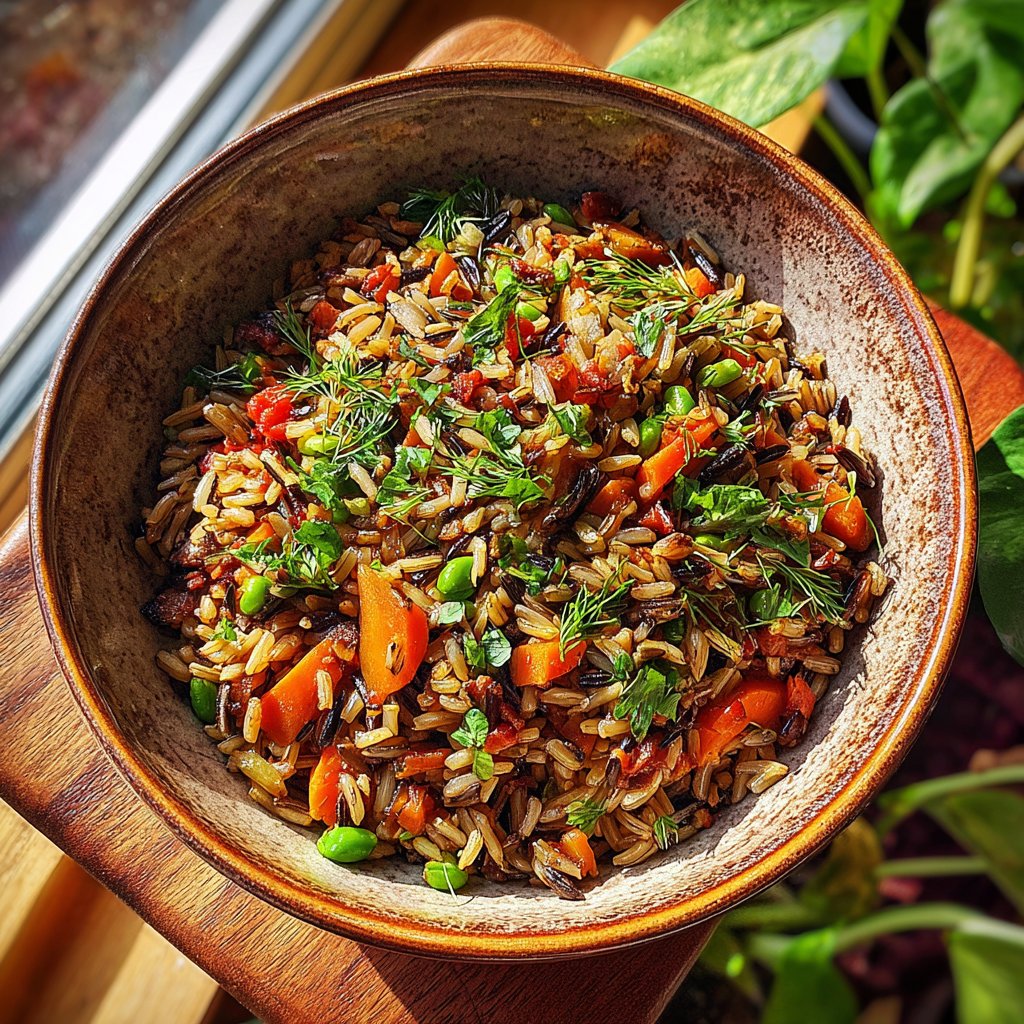
Why You Will Love This Recipe
- Nutty flavor profile from wild rice that brings unique taste to the table
- Colorful and fresh mix of vegetables packed with nutrients
- Easy to customize with your favorite seasonal ingredients
Understanding Wild Rice
Wild rice is actually a grain from aquatic grass and has a unique nutrient profile compared to traditional white or brown rice. Its rich, nutty flavor provides a delightful contrast to the fresh vegetables in this pilaf. When cooked, wild rice will burst open and lend an appealing texture that can elevate the overall dish. Be sure to avoid overcooking it; you want the grains to remain chewy and distinct rather than mushy. A tender bite is key to showcasing its remarkable qualities.
Don't hesitate to experiment with wild rice blends. Many grocery stores offer mix varieties that include wild rice combined with other grains like brown rice or quinoa. These combinations can introduce even more flavor and texture. Just adjust your liquid ratios accordingly and be conscious of the cooking times for each type of grain involved.
Boosting Flavor with Vegetables
The versatility of this pilaf allows you to incorporate seasonal vegetables that pique your interest. If fresh zucchini or carrots aren't available, consider swapping them out for seasonal favorites such as asparagus in spring or sweet potatoes in autumn. The key is to select vegetables that will maintain their texture when sautéed, ensuring a delightful contrast with the nutty wild rice.
For added flavor complexity, try incorporating some fresh herbs, like parsley or basil, at the end of cooking. This can brighten up the dish and make the vegetable flavors pop. Always choose vegetables that you enjoy, and don’t hesitate to add a pinch of citrus zest to enhance the overall profile.
Ingredients
Gather these fresh ingredients to start making your Wild Rice and Vegetable Pilaf:
Ingredients
- 1 cup wild rice
- 2 cups vegetable broth
- 1 tablespoon olive oil
- 1 onion, diced
- 2 cloves garlic, minced
- 1 bell pepper, diced
- 1 zucchini, diced
- 1 carrot, diced
- 1 teaspoon dried thyme
- Salt and pepper to taste
- 1/4 cup toasted nuts (optional)
Once you have everything prepared, you're ready to dive into cooking!
Instructions
Follow these steps to create your delicious Wild Rice and Vegetable Pilaf:
Cook the Wild Rice
In a medium saucepan, toast the wild rice over medium heat for about 3-4 minutes, stirring frequently. Then add the vegetable broth, bring to a boil, reduce the heat, cover, and simmer for 35 minutes or until the rice is tender.
Sauté the Vegetables
While the rice is cooking, heat olive oil in a skillet over medium heat. Add the diced onion and garlic, cooking for about 3 minutes until the onion is translucent. Then stir in the bell pepper, zucchini, and carrot, cooking for another 5-7 minutes until softened.
Combine and Season
Once the rice is done, fluff it with a fork and mix it into the skillet with the sautéed vegetables. Add dried thyme, salt, and pepper to taste. Stir well and cook for an additional 2 minutes to combine the flavors.
Serve
Transfer the pilaf to a serving dish and, if desired, sprinkle with toasted nuts for an added crunch. Serve warm and enjoy!
Your Wild Rice and Vegetable Pilaf is now ready to delight your taste buds!
Pro Tips
- Feel free to substitute any of the vegetables based on what’s in season or what you have on hand. Adding spinach or kale towards the end of the cooking can boost the nutrition even further.
Storage and Reheating
This Wild Rice and Vegetable Pilaf can be made ahead and stored in an airtight container in the refrigerator for up to four days. The flavors might even deepen as they sit. To reheat, simply use a skillet over medium heat with a splash of vegetable broth or water, mixing occasionally to ensure even warming. This will help restore the pilaf’s texture and prevent it from drying out.
For longer storage, consider freezing the pilaf. Allow it to cool completely before transferring it to freezer-safe containers. It can last for up to three months. When ready to enjoy, thaw it in the refrigerator overnight and reheat as mentioned for a quick and nutritious meal.
Serving Suggestions
This pilaf makes an excellent side dish, especially with grilled meats or roasted fish, enhancing your meal with its nutty flavor and vibrant color. If you're looking for a light vegetarian option, add some chickpeas or cooked lentils to make it more filling and protein-rich. This transformation not only sustains you but also maintains the complementary textures and flavors well.
For a heartier twist, consider topping the pilaf with a fried or poached egg. This provides a lovely richness that pairs beautifully with the grain's nuttiness and the freshness of the vegetables. Adding a sprinkle of feta cheese can also heighten the flavor profile and make for an elegant presentation.
Questions About Recipes
→ Can I make this dish ahead of time?
Yes, you can prepare it a day in advance. Just reheat it gently on the stove or in the microwave before serving.
→ What can I serve with Wild Rice and Vegetable Pilaf?
This pilaf pairs beautifully with grilled chicken, fish, or as a main dish on its own with a side salad.
→ How long does Wild Rice last in the fridge?
Wild rice can be stored in an airtight container in the refrigerator for up to 4 days.
→ Can I freeze Wild Rice and Vegetable Pilaf?
Absolutely! It can be frozen for up to 3 months. Just make sure to store it in a freezer-safe container.
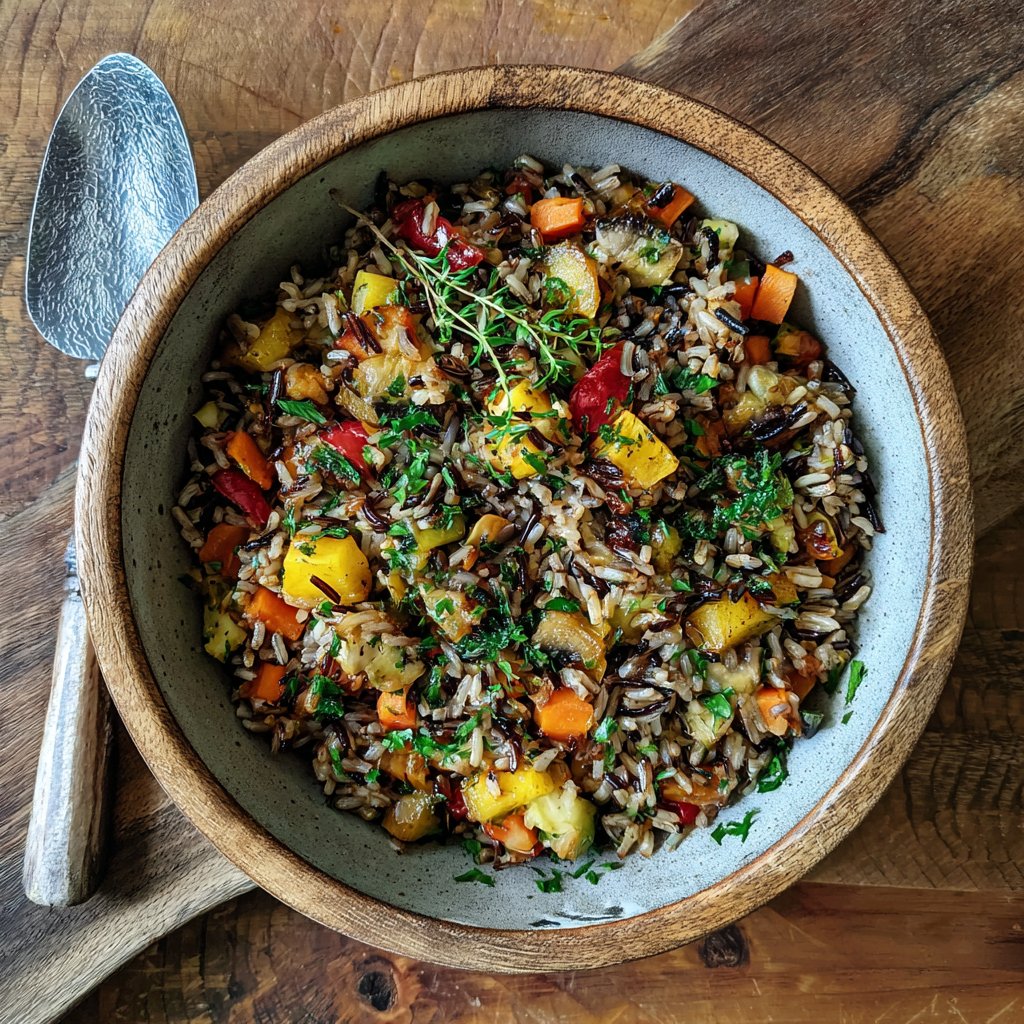
Wild Rice and Vegetable Pilaf
Created by: The Chefbradrecipes Team
Recipe Type: Power Bowls
Skill Level: Beginner
Final Quantity: 4 servings
What You'll Need
Ingredients
- 1 cup wild rice
- 2 cups vegetable broth
- 1 tablespoon olive oil
- 1 onion, diced
- 2 cloves garlic, minced
- 1 bell pepper, diced
- 1 zucchini, diced
- 1 carrot, diced
- 1 teaspoon dried thyme
- Salt and pepper to taste
- 1/4 cup toasted nuts (optional)
How-To Steps
In a medium saucepan, toast the wild rice over medium heat for about 3-4 minutes, stirring frequently. Then add the vegetable broth, bring to a boil, reduce the heat, cover, and simmer for 35 minutes or until the rice is tender.
While the rice is cooking, heat olive oil in a skillet over medium heat. Add the diced onion and garlic, cooking for about 3 minutes until the onion is translucent. Then stir in the bell pepper, zucchini, and carrot, cooking for another 5-7 minutes until softened.
Once the rice is done, fluff it with a fork and mix it into the skillet with the sautéed vegetables. Add dried thyme, salt, and pepper to taste. Stir well and cook for an additional 2 minutes to combine the flavors.
Transfer the pilaf to a serving dish and, if desired, sprinkle with toasted nuts for an added crunch. Serve warm and enjoy!
Extra Tips
- Feel free to substitute any of the vegetables based on what’s in season or what you have on hand. Adding spinach or kale towards the end of the cooking can boost the nutrition even further.
Nutritional Breakdown (Per Serving)
- Calories: 270 kcal
- Total Fat: 7g
- Saturated Fat: 1g
- Cholesterol: 0mg
- Sodium: 300mg
- Total Carbohydrates: 45g
- Dietary Fiber: 6g
- Sugars: 3g
- Protein: 6g