Global Japanese Sushi Rolls
Highlighted under: Global Street Food
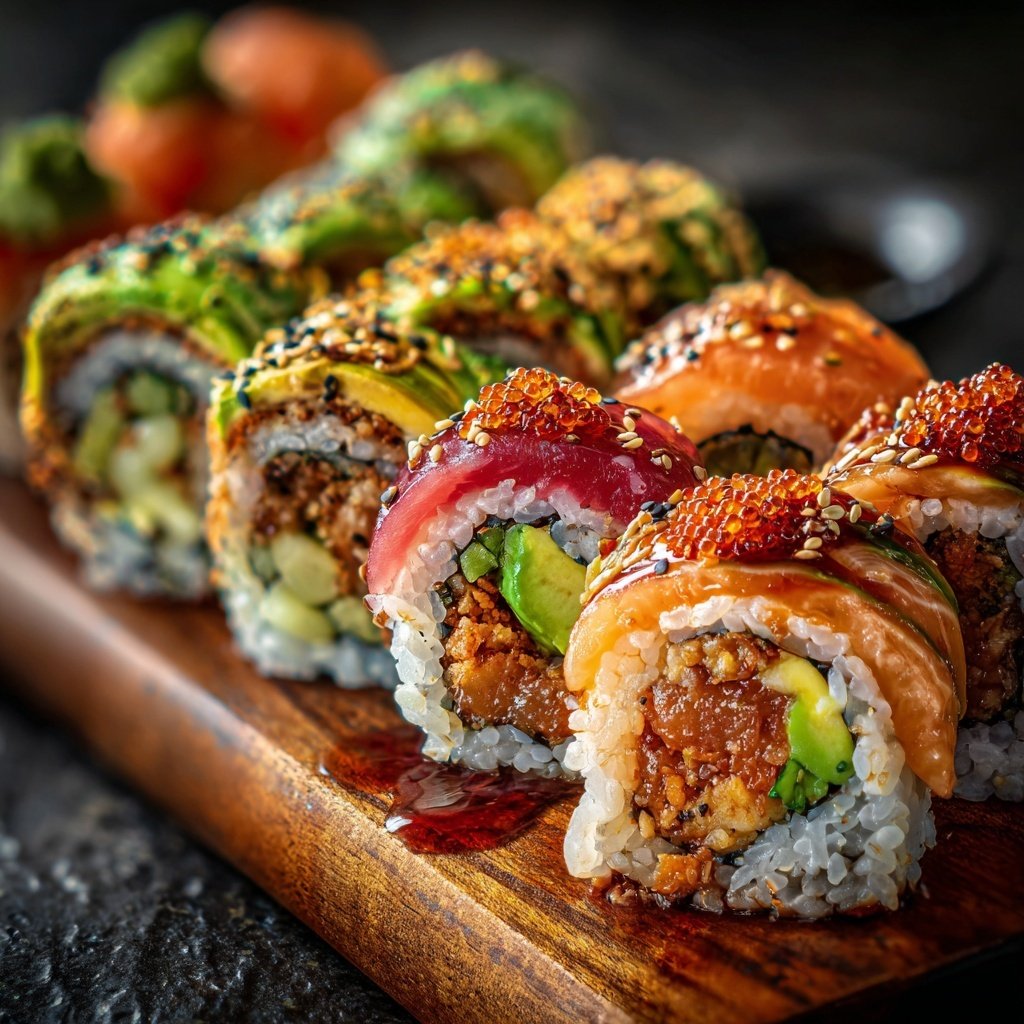
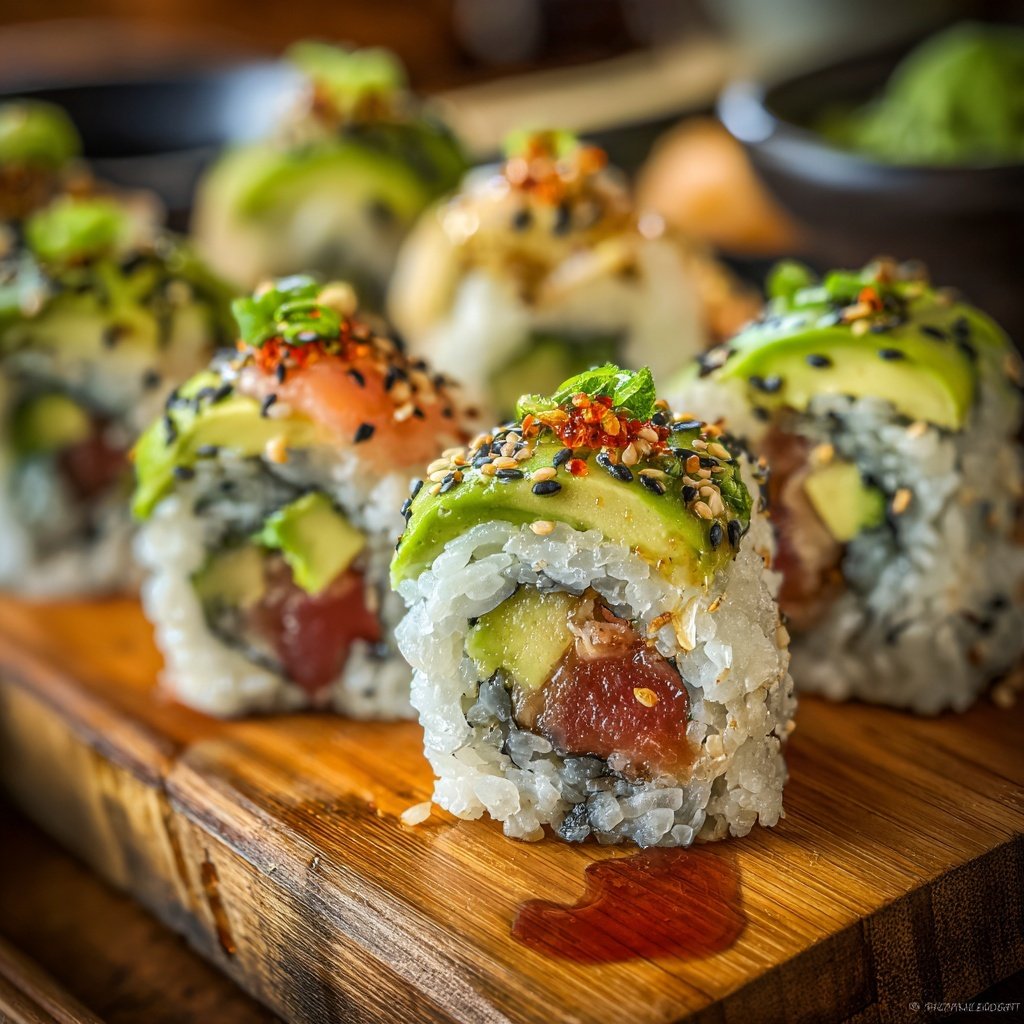
I absolutely love making Global Japanese Sushi Rolls at home. Each roll is a canvas that allows me to experiment with flavors from around the world, creating a delightful fusion that never fails to impress. I often gather my friends for a sushi-making night, where we roll our favorite fillings together and explore new combinations. This experience not only enhances our culinary skills but also brings us closer as we share laughs and tasty bites. With a little patience and practice, you can create restaurant-quality rolls right in your own kitchen!
Making Global Japanese Sushi Rolls has become a joyful ritual for me. I love experimenting with fresh ingredients, and I often incorporate local flavors that resonate with my taste buds. For example, I sometimes swap traditional avocados with ripe mango or introduce spicy sriracha into the mix, adding an unexpected kick. The joy of crafting sushi is not just about the end product; it's the entire creative process that I adore.
One tip I've discovered is to use a bamboo mat to roll your sushi tightly. This not only helps maintain the roll's shape but also prevents ingredients from spilling out. Additionally, ensuring your rice is sticky enough is crucial; it holds the rolls together beautifully without falling apart. Once you've mastered these techniques, the world of sushi is truly your oyster!
Why You'll Love This Recipe
- A fusion of flavors that surprises your palate
- Customizable ingredients to suit any taste preference
- Perfect for impressing guests or a fun family cooking night
Mastering Sushi Rice
The foundation of any great sushi roll is perfectly cooked sushi rice. Rinsing the rice is crucial; it removes excess starch that can make the rice gummy. After rinsing, the rice should be soaked for about 30 minutes, which helps it absorb water better during cooking. Follow your rice cooker's instructions for the optimal cooking time, usually around 20 minutes. The right texture should be sticky yet firm, allowing it to hold its shape when rolled.
Once cooked, the vinegar mixture not only seasons the rice but also adds a touch of acidity that balances richer fillings like avocado and fish. To cool the rice effectively, spread it out on a wooden sushi mat or a large baking dish, which increases surface area and helps it steam away moisture. The goal is a glossy, slightly warm rice that is ready to be rolled into sushi.
Choosing Your Fillings
While traditional sushi fillings often feature raw fish, this recipe invites a fusion of flavors. For a vegetarian option, substitute the fish with marinated tofu or tempura vegetables, which offer a delightful crunch. If you're exploring protein choices, consider using grilled chicken or seared beef for a different twist. The key is to ensure that any protein is sliced thinly, around 1/4 inch, for easy rolling and even flavor distribution.
Freshness is paramount in sushi-making. Choose ripe avocados and crisp cucumbers, as their textures complement the slightly sticky sushi rice. You can experiment with additional fillings like spicy mayo, pickled vegetables, or even fruits like mango for a sweet contrast. The balance of textures and flavors is essential, and I always encourage trying unexpected combinations.
Rolling and Serving Tips
When rolling sushi, technique counts. Use a bamboo mat to ensure you maintain even pressure throughout the roll, which helps it stay tight and cohesive. To keep the nori from tearing, make sure your hands are damp while handling the rice; this also helps in spreading it evenly. If you're new to this, don’t hesitate to practice with a few rolls before you showcase your creations to friends.
For serving, I recommend presenting the sushi rolls on a vibrant platter, garnished with slices of pickled ginger and a dollop of wasabi. This not only elevates the visual appeal but also adds distinct flavors that enhance the sushi experience. Storing leftovers? Wrap them tightly in plastic wrap and keep them in the fridge, but they’re best enjoyed fresh. For a party, consider preparing a variety of rolls ahead of time for your guests to sample different flavors.
Ingredients
Gather these fresh ingredients before you begin your sushi-making adventure!
Sushi Rice
- 2 cups short-grain sushi rice
- 2 1/2 cups water
- 1/4 cup rice vinegar
- 2 tablespoons sugar
- 1 teaspoon salt
Fillings
- 1 avocado, sliced
- 1 cucumber, julienned
- 4 oz sushi-grade fish (salmon, tuna, etc.)
- 4 oz cooked shrimp
- 1 carrot, julienned
- Cream cheese (optional)
For Rolling
- 4 sheets of nori (seaweed)
- Soy sauce for dipping
- Wasabi and pickled ginger (for serving)
Make sure to have all ingredients prepped and ready to go for a smooth sushi-making experience!
Instructions
Follow these steps to roll your sushi like a pro!
Prepare the Sushi Rice
Rinse the sushi rice under cold water until the water runs clear. Combine with water in a rice cooker and cook according to the manufacturer's directions. Once finished, mix rice vinegar, sugar, and salt in a small bowl. Slowly fold this mixture into the warm rice and let it cool.
Prep Your Fillings
Slice the avocado and fish into thin strips. Julienne the cucumber and carrot. Place everything in an array to make rolling easier.
Roll the Sushi
Lay a sheet of nori on a bamboo mat, shiny side down. Wet your hands to prevent sticking and spread a thin layer of sushi rice over the nori, leaving a 1-inch border at the top. Layer your fillings in the middle of the rice. Using the bamboo mat, carefully roll the sushi away from you, making sure to keep it tight. Seal the edge with a little water.
Cut and Serve
With a sharp knife, slice the sushi roll into 6-8 pieces. Wipe the knife with a damp cloth between cuts for clean edges. Serve with soy sauce, wasabi, and pickled ginger.
Enjoy your homemade Global Japanese Sushi Rolls with friends and family!
Pro Tips
- Experiment with different fillings and sauces to create your unique sushi rolls! Don't hesitate to incorporate seasonal vegetables or even fruits for a sweet twist.
Storage and Make-Ahead
If you plan to make sushi rolls in advance, it’s best to prepare the sushi rice and fillings ahead of time but assemble them just before serving. The nori can lose its crispness if it sits too long after being rolled, so I like to keep the components separate until the last moment. Store the prepared rice in an airtight container in the fridge for up to two days. Just remember to rewarm it slightly; cold rice can be unappetizing when rolled.
You can also freeze any leftover sushi rolls. Wrap them tightly in plastic wrap and then store them in a zip-top bag. They can be frozen for up to a month. When ready, simply thaw in the refrigerator overnight and enjoy them chilled or give a quick blast in the microwave for a warm alternative.
Troubleshooting Common Issues
If your sushi rice turns out too sticky, it may have been overcooked or had too much water. When cooking sushi rice, ensure you measure the water accurately and avoid stirring it too aggressively, which can break the grains and transform them into mush. If you find yourself with overly dry rice, sprinkle a few drops of water, cover it, and let it steam for a few minutes to moisten it.
Another common issue is rolling too loosely. If your rolls fall apart, try increasing the pressure on the bamboo mat while rolling. If you’re struggling with the nori sticking, make sure your hands are wet and the rice layer is thin. With these tips in mind, practice makes perfect, and the more you roll, the better your technique will become!
Questions About Recipes
→ Can I use brown rice instead of white rice?
Yes, but keep in mind that brown rice requires a longer cooking time and has a different texture.
→ Is it possible to make sushi vegetarian?
Absolutely! You can use a variety of vegetables, tofu, or even avocado as alternatives to fish.
→ How can I make my sushi rolls more flavorful?
Add ingredients like cream cheese, spicy mayo, or fresh herbs to enhance the flavor profile.
→ What should I do if my sushi rice is too sticky?
If your rice is overly sticky, try rinsing it again before cooking, and make sure to use the right rice-to-water ratio.
Global Japanese Sushi Rolls
Created by: The Chefbradrecipes Team
Recipe Type: Global Street Food
Skill Level: Intermediate
Final Quantity: 4.0
What You'll Need
Sushi Rice
- 2 cups short-grain sushi rice
- 2 1/2 cups water
- 1/4 cup rice vinegar
- 2 tablespoons sugar
- 1 teaspoon salt
Fillings
- 1 avocado, sliced
- 1 cucumber, julienned
- 4 oz sushi-grade fish (salmon, tuna, etc.)
- 4 oz cooked shrimp
- 1 carrot, julienned
- Cream cheese (optional)
For Rolling
- 4 sheets of nori (seaweed)
- Soy sauce for dipping
- Wasabi and pickled ginger (for serving)
How-To Steps
Rinse the sushi rice under cold water until the water runs clear. Combine with water in a rice cooker and cook according to the manufacturer's directions. Once finished, mix rice vinegar, sugar, and salt in a small bowl. Slowly fold this mixture into the warm rice and let it cool.
Slice the avocado and fish into thin strips. Julienne the cucumber and carrot. Place everything in an array to make rolling easier.
Lay a sheet of nori on a bamboo mat, shiny side down. Wet your hands to prevent sticking and spread a thin layer of sushi rice over the nori, leaving a 1-inch border at the top. Layer your fillings in the middle of the rice. Using the bamboo mat, carefully roll the sushi away from you, making sure to keep it tight. Seal the edge with a little water.
With a sharp knife, slice the sushi roll into 6-8 pieces. Wipe the knife with a damp cloth between cuts for clean edges. Serve with soy sauce, wasabi, and pickled ginger.
Extra Tips
- Experiment with different fillings and sauces to create your unique sushi rolls! Don't hesitate to incorporate seasonal vegetables or even fruits for a sweet twist.
Nutritional Breakdown (Per Serving)
- Calories: 456 kcal
- Total Fat: 14g
- Saturated Fat: 2g
- Cholesterol: 55mg
- Sodium: 600mg
- Total Carbohydrates: 66g
- Dietary Fiber: 3g
- Sugars: 6g
- Protein: 15g