Dandelion and Grains Pilaf
Highlighted under: Power Bowls
When I first discovered the unique flavors of dandelion greens, I knew I had to incorporate them into more dishes. This Dandelion and Grains Pilaf has become a favorite in my kitchen because of its delightful bitterness that perfectly balances the nuttiness of the grains. It’s not just a dish; it’s an experience that invites vibrant flavors to the table. Each serving brings a hearty texture and complexity, making it ideal for a quick weeknight dinner or an impressive side dish at gatherings.
My journey with Dandelion and Grains Pilaf started one sunny afternoon when I was looking for something new to experiment with in the kitchen. The earthy, slightly bitter flavor of dandelion greens caught my attention at the farmer's market, and immediately, I envisioned a comforting, grain-rich dish. By combining a selection of grains, I achieved a satisfying medley that complemented the greens beautifully.
As I perfected the recipe, I discovered that to counterbalance the dandelion’s bitterness, a touch of lemon juice added a zesty brightness that tied everything together. Cooking the grains separately before mixing brought out their individual flavors, enhancing the overall dish. I encourage you to embrace the unique taste of dandelion greens; it truly elevates this simple pilaf!
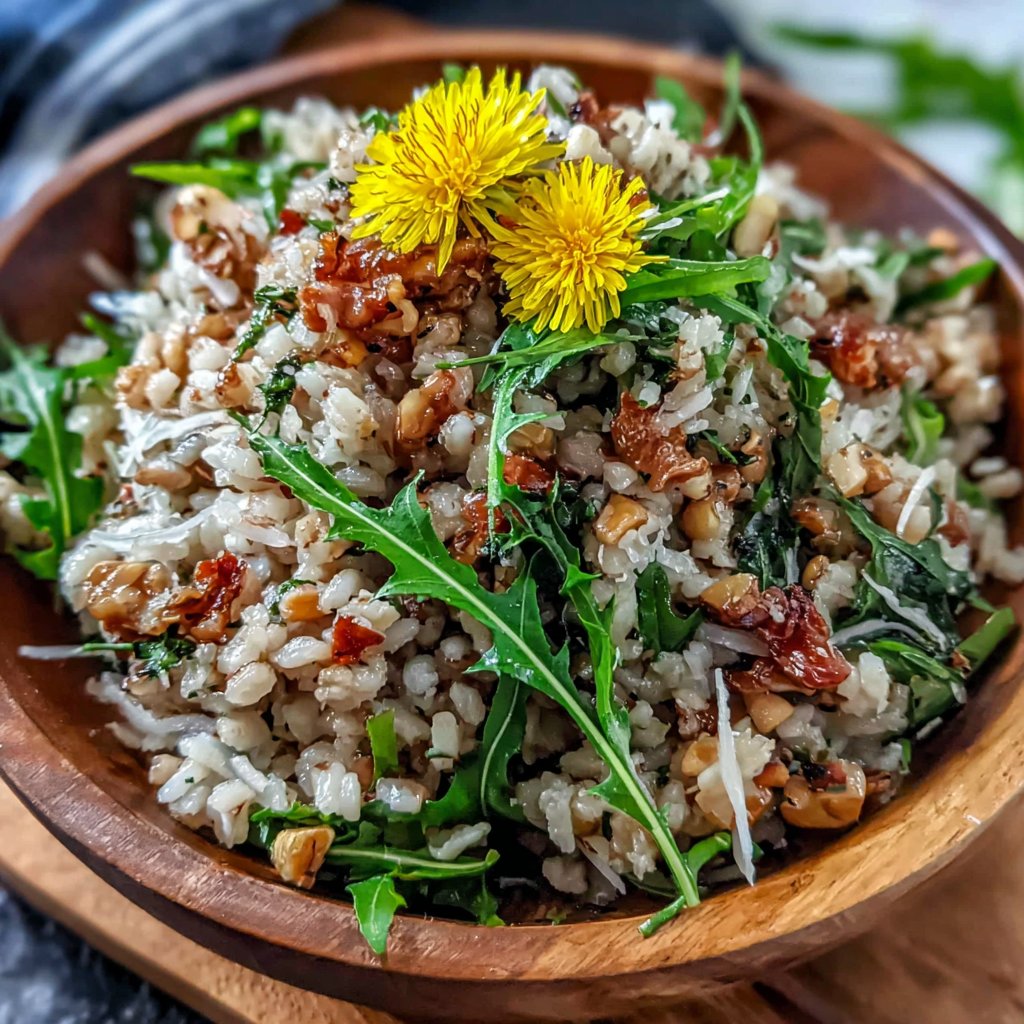
Why You'll Love This Recipe
- Deliciously earthy and slightly bitter flavor profile
- Nutritious combination of grains and greens
- Easy to prepare and perfect for meal prepping
- Versatile dish that pairs well with various proteins
Understanding Dandelion Greens
Dandelion greens offer a remarkable balance of bitterness and earthiness, making them a standout ingredient in this pilaf. Their unique flavor shines best when sautéed briefly, which softens their toughness while maintaining some of their natural crunch. If you find yourself with a particularly bitter batch, a quick blanch in boiling water for about 30 seconds can mellow the sharpness, allowing the greens to blend seamlessly with the grains and other flavors.
When selecting dandelion greens, look for vibrant, fresh leaves without any signs of wilting. The younger leaves tend to be less bitter and more tender. If you can't find dandelion greens, you can substitute with kale or Swiss chard, although you may want to adjust cooking times slightly since they have different textures.
Perfecting Your Pilaf
Cooking the grains properly is key to achieving the perfect pilaf texture. Always rinse quinoa thoroughly before cooking to remove its natural coating, called saponin, which can impart a bitter taste. The farro adds a chewier texture that contrasts nicely with the fluffy quinoa; make sure to monitor cooking times closely, as different brands may vary slightly in required simmering duration.
To enhance the nutty flavor of the grains, consider toasting them lightly in the pot for a couple of minutes before adding the broth. This small step can elevate the dish, imparting a richer taste that complements the greens and lemon juice beautifully.
Serving and Storing Tips
This pilaf not only serves well as a stand-alone dish, but it also makes an excellent bed for grilled chicken or tofu, adding surprising depth to your meals. You can also serve it chilled as a refreshing salad option by tossing it with diced vegetables and a simple vinaigrette. Feel free to experiment with add-ins such as roasted nuts or dried fruits to enhance both flavor and texture.
For meal prep, this pilaf keeps well in an airtight container in the fridge for up to 4 days, making it ideal for lunches or quick dinners. When reheating, add a splash of broth or water to keep the grains moist. If you wish to freeze the pilaf, consider separating it into portions and freezing in freezer-proof containers, allowing you to enjoy this vibrant dish even on your busiest days.
Ingredients
For the Pilaf
- 1 cup quinoa
- 1/2 cup farro
- 2 cups vegetable broth
- 1 tablespoon olive oil
- 1 onion, finely chopped
- 2 cloves garlic, minced
- 2 cups dandelion greens, chopped
- Juice of 1 lemon
- Salt and pepper to taste
Preparation Steps:
Instructions
Cook the Grains
Rinse the quinoa and farro under cold water. In a medium pot, bring the vegetable broth to a boil. Add the farro first and allow it to simmer for 15 minutes. Then, add the quinoa and continue to cook for an additional 10 minutes or until all grains are tender and the liquid is absorbed. Remove from heat and fluff with a fork.
Sauté the Vegetables
In a large skillet, heat the olive oil over medium heat. Add the chopped onion and sauté until translucent, about 5 minutes. Stir in the minced garlic and cook for another minute until fragrant.
Combine Ingredients
Add the chopped dandelion greens to the skillet and sauté until they are wilted. Incorporate the cooked grains into the skillet, then drizzle with lemon juice. Season with salt and pepper, mixing everything thoroughly before serving.
Enjoy your meal!
Pro Tips
- For added flavor, consider toasting the quinoa and farro in the skillet for a few minutes before adding broth. It's a great way to deepen the nutty taste of the grains.
Flavor Enhancements
Adding spices such as cumin or coriander while sautéing the onions can introduce a warm, aromatic layer to the dish. Start with half a teaspoon of either spice, adjusting to your preference. This not only brings an enticing fragrance but also plays nicely with the grassy notes of the dandelion greens and the nuttiness of the grains.
Fresh herbs like parsley or dill sprinkled on top just before serving can also brighten the flavors. I often like to finish with a pinch of crushed red pepper for a little heat if I’m feeling adventurous; it provides an unexpected kick that pairs beautifully with the earthy undertones of the pilaf.
Issues and Solutions
If your grains end up too sticky, this usually means they were overcooked or too much water was used. To remedy this, allow the pilaf to sit uncovered for a few minutes off the heat, which can help excess moisture evaporate. A fork can also be used to fluff the grains gently, breaking up any clumps that may have formed.
On the other hand, if they seem undercooked or too firm, simply add a few more tablespoons of broth or water, cover the pot, and cook for an additional few minutes. Keep checking for doneness; the goal is a tender yet resilient grain that maintains a pleasant bite.
Scaling the Recipe
This pilaf recipe is easily scalable. If you're expecting guests or wish to batch cook, simply multiply the ingredients while maintaining the same proportions. Consider using a larger pot to accommodate the increased volume without crowding, which can affect cooking times and grain texture.
Make sure to check the seasoning levels as you scale; sometimes larger batches require slight adjustments in salt, acidity, or seasoning concentrations. Always taste before serving to ensure the balance remains just right, allowing you to showcase the rich flavors of both the grains and the dandelion greens.
Questions About Recipes
→ Can I use other greens instead of dandelion?
Yes, you can substitute dandelion greens with kale or spinach for a milder flavor.
→ Is this recipe gluten-free?
If you use quinoa exclusively and skip the farro, this dish can be gluten-free.
→ How can I store leftovers?
Store any leftovers in an airtight container in the fridge for up to 3 days. Reheat gently before serving.
→ Can I make this dish ahead of time?
Absolutely! You can prepare the pilaf in advance and reheat when ready to serve.
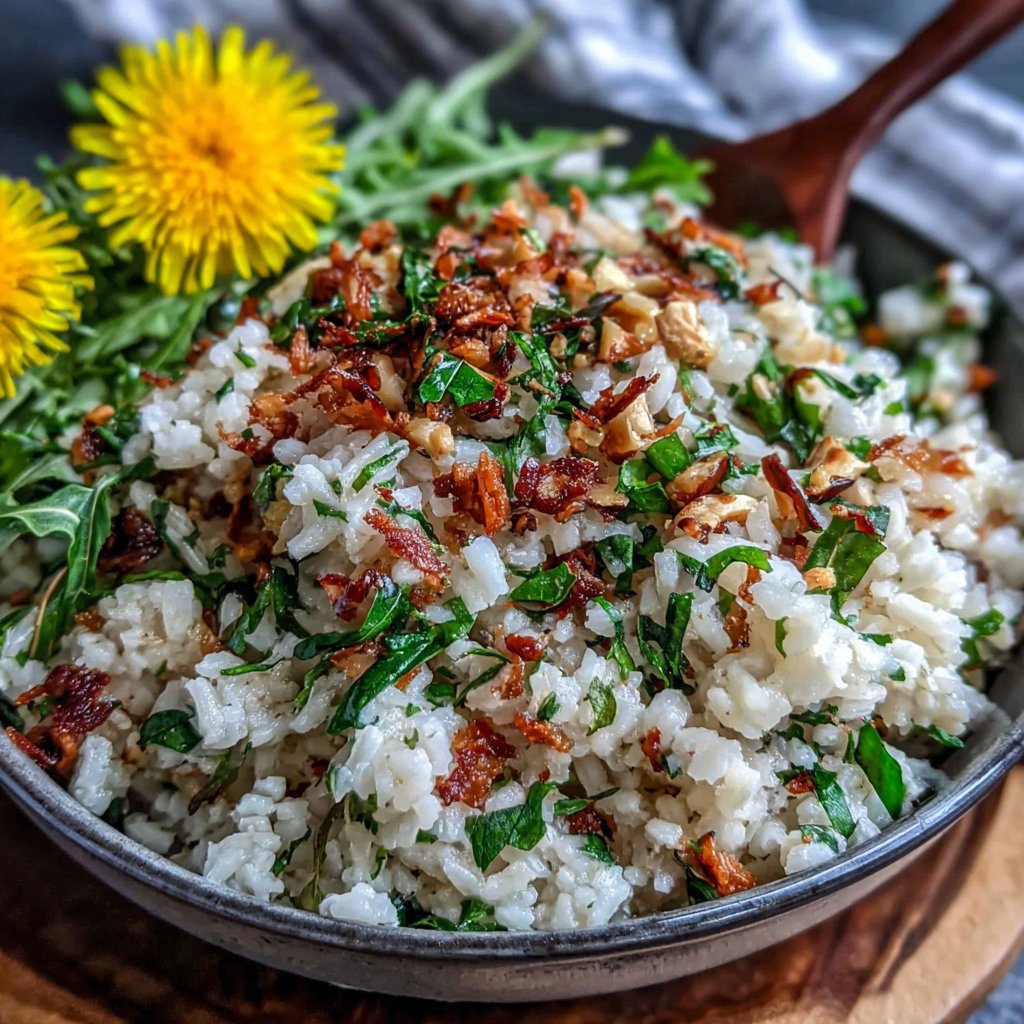
Dandelion and Grains Pilaf
Created by: The Chefbradrecipes Team
Recipe Type: Power Bowls
Skill Level: Beginner
Final Quantity: 4 servings
What You'll Need
For the Pilaf
- 1 cup quinoa
- 1/2 cup farro
- 2 cups vegetable broth
- 1 tablespoon olive oil
- 1 onion, finely chopped
- 2 cloves garlic, minced
- 2 cups dandelion greens, chopped
- Juice of 1 lemon
- Salt and pepper to taste
How-To Steps
Rinse the quinoa and farro under cold water. In a medium pot, bring the vegetable broth to a boil. Add the farro first and allow it to simmer for 15 minutes. Then, add the quinoa and continue to cook for an additional 10 minutes or until all grains are tender and the liquid is absorbed. Remove from heat and fluff with a fork.
In a large skillet, heat the olive oil over medium heat. Add the chopped onion and sauté until translucent, about 5 minutes. Stir in the minced garlic and cook for another minute until fragrant.
Add the chopped dandelion greens to the skillet and sauté until they are wilted. Incorporate the cooked grains into the skillet, then drizzle with lemon juice. Season with salt and pepper, mixing everything thoroughly before serving.
Extra Tips
- For added flavor, consider toasting the quinoa and farro in the skillet for a few minutes before adding broth. It's a great way to deepen the nutty taste of the grains.
Nutritional Breakdown (Per Serving)
- Calories: 350 kcal
- Total Fat: 10g
- Saturated Fat: 1g
- Cholesterol: 0mg
- Sodium: 85mg
- Total Carbohydrates: 56g
- Dietary Fiber: 8g
- Sugars: 2g
- Protein: 12g